
Organisational Development in Zimbabwe
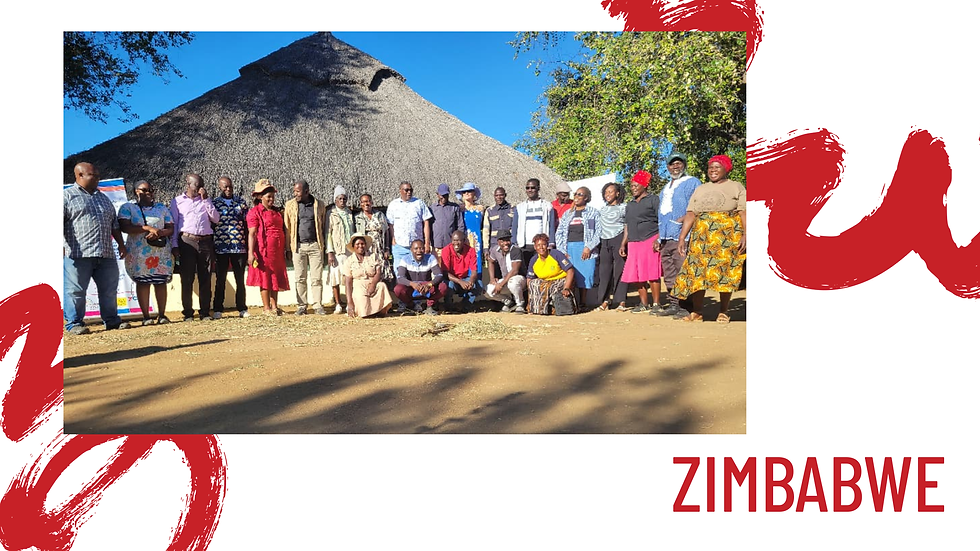
Written by Elliot Vengesa, CEO of Centre for Gender and Community Development Zimbabwe (CGCDZ).
The learning visit to Chinyika Agroecology and Holistic Land and Livestock Management positively impacted our organisation in terms of organisational development, strengthening both our technical direction and our learning and improvement as a team.
The visit helped us move from a general interest in sustainable agriculture to a clearer understanding of agroecology as an integrated system—where land, crops, soil health, and livestock practices support one another over time.
As a result, we have become more focused in our programming and planning. We observed practical approaches that demonstrate how integrated land management and holistic livestock practices can improve farm resilience and productivity. This strengthened our internal discussions and helped us identify which practices we can prioritise and how we can integrate these lessons into our farming.
Since returning, we have begun to reflect these lessons in our planning meetings through improved messaging, clearer priorities, and stronger alignment among staff on what ‘holistic’ implementation should look like.
The visit also strengthened organisational learning. By seeing methods in action and understanding the conditions needed for success, our team gained greater confidence and shared understanding. We are now more intentional about sharing knowledge internally, documenting lessons, and translating observations into implementable guidance for field teams and farmer groups.
In addition, the visit reinforced the importance of behaviour change support and ongoing engagement with communities. We noted that adoption is more likely when farmers understand the reasoning behind practices, can learn through demonstration, and receive follow-up coaching. This has influenced how we anticipate improving our approach to farmer learning, demonstration planning, and mentorship over the project cycle.
Looking ahead, we anticipate that the visit will lead to stronger organisational capacity in areas such as improved project design, more structured monitoring and learning, deeper partnership engagement, and more resilient programming. While some outcomes will take time to fully show, we have already seen early signs of improved coherence in planning and communication, and a stronger shared commitment to integrated agroecological practice.
In summary, the learning visit strengthened our organisational development by improving our technical clarity, strengthening staff learning and coordination, and shaping how we will work with partners and communities to achieve more sustainable and lasting impact.
Help us to support our partners by becoming a Regular Giver to All We Can. With your committed support, All We Can can walk together with talented organisations making a transformative impact in their communities.
Find out more about giving to All We Can by clicking here


