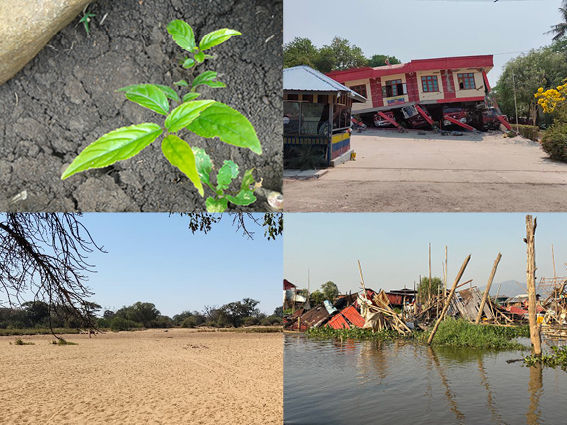
The El Niño Series: What are All We Can and partners doing in the face of El Niño?
Updated: Aug 19
El Niño is making headlines around the world, but what does it actually mean for communities already living with the effects of the climate crisis? In this series, we explore what El Niño is, why it matters, how All We Can's partners are responding, and what it means for people of faith committed to climate justice.
In this second blog of the series, we hear from Peter Blanch, Senior Humanitarian Assistance and DRR-Resilience Manager at All We Can about how partners in different countries are reacting to the news that this El Niño may rank among the strongest on record.

What All We Can and partners are doing in the face of El Niño?
by Peter Blanch

As noted in Rob Varley’s blog on Wednesday, ‘[…] humanitarian agencies have the opportunity now to anticipate areas at greatest risk, develop effective response plans and allocate the necessary resources before disaster strikes. Doing so will help to protect the most vulnerable, minimise losses and accelerate recovery for those communities affected.’ This is exactly how All We Can’s local partners have chosen to engage with local communities.
All We Can supports local organisations, who in turn are working with local communities, in six countries across Sub Saharan Africa (SSA). Our support includes capacity accompaniment and organisational development support, unrestricted flexible funding, long-term partnership, not projects, and champions community mobilisation. All We Can does this through three core values: love, collaboration and courage.
At this critical juncture in the development of El Niño conditions across SSA, local partners are engaging with their communities to raise awareness of the potential impact and ways in which communities themselves can be prepared for anticipated hazards (such as drought and/or flooding).
"Being prepared saves lives. Being prepared protects livelihoods. Being prepared means that a drought or a flood does not need to become a disaster. "
Preparedness is critical to any response. In fact, a study by the World Bank estimates that ‘on average every USD$1 spent on preparedness saves USD$7 in disaster response'. Being prepared saves lives. Being prepared protects livelihoods. Being prepared means that a drought or a flood does not need to become a disaster.
Being prepared matters to partners and communities, because in doing so, they are protecting hard-earned development gains.
"[It] matters to partners and communities, because in doing so, they are protecting hard-earned development gains."
So, in those countries affected by El Niño, what are our partners currently doing to support local communities prepare?
In Malawi, partners are disseminating weather forecasts and advisory messages to their communities through community structures & radio transmissions and working towards developing a joint El Niño Emergency Preparedness and Response Plan (EPRP).
In Zimbabwe, partners are active in District Level Disaster Committees. Partners are engaging with local communities, sharing information on El Niño risks, coupled with ways to prepare for and reduce the risk of El Niño becoming disastrous. Examples include promoting water harvesting techniques, soil moisture preservation and storing harvest from the previous season.
All We Can is also supporting local partners in Ethiopia and Uganda engage with local communities on this critical issue too.
In addition to preparedness and response activities, this year our partners are also implementing climate and economic empowerment related development activities. From 'climate smart' and regenerative agriculture, small-scale solar irrigation and livestock management, through to supporting women to build sustainable businesses and financial independence through vocational skills, savings groups & facilitating access to local markets, these activities contribute to climate resilience too.
All We Can is committed to supporting our local partners at this crucial time. If you would like to support our movement prepare and respond to El Niño, please consider giving to our Emergency Relief Fund | All We Can.
Thank you for your continued support.
The climate crisis means that our partners need to help their communities face new challenges. If you would like to support this area of our work, and would like to see our partners better equipped for working in sustainable disaster resilience, please consider donating to our Emergency Relief Fund.